This guest blog has been written by Jan Soloy, Nurse Practitioner, Wellness Coach and brain health advocate. Jan brings together decades of clinical experience, advanced training in integrative medicine and her own lived experience of recovery after a serious brain injury. In this article, she explores why brain health matters in midlife, particularly during menopause, and how small, consistent lifestyle shifts can support clarity, confidence and long-term wellbeing.
The midlife shift you’re feeling
Midlife has a way of arriving full and fast.
There are decisions about hormones, shifting energy, changing sleep… and often, the quiet realisation that life is entering a new season.
And somewhere in the middle of all that, you may notice something subtle:
Your brain feels a little different. Not broken, just not quite as steady as it used to be.
Is it “Brain Fog”?
If you’ve experienced what’s often called “brain fog” during menopause, you’re not alone.
Many women notice changes in memory, focus, or word-finding during this time. You might walk into a room and forget why you’re there, lose track of a conversation, or feel mentally fatigued in a way that’s just not you.
It can be unsettling, but it’s also very common. Things can get confusing.
You’ll often hear that this is “just menopause,” and that it will pass. And while that’s often true, it can also lead to brushing aside something that is actually worth understanding.
Something to look at more closely - not with fear, but with clarity.
What is “Brain Fog,” really?
“Brain fog” isn’t a medical diagnosis, but it’s a very real experience, with very real causes and consequences. During menopause, hormonal shifts, especially in estrogen, can affect memory and attention. Sleep disruption and stress often add to the problem.
Many women describe it as a sense of mental cloudiness: forgetfulness, slower recall, or taking more effort to focus. The reassuring part is that for most women, this fluctuating experience is temporary and relatively short term.
Perhaps most importantly, it’s not the same as dementia. Menopause Brain Fog does not mean you are developing dementia, nor are you more prone to developing dementia later in life.
We can think of it as a signal of transition, not of decline.
Reframing Menopause Brain Fog
What if this moment isn’t something to dismiss, but rather something to understand?
Midlife is not too early to think about brain health, in fact, it may be the most important time. Not because something is wrong, but because your brain is still highly responsive to change. And that is a very good thing.
A simple awareness of your personal risk factors, combined with a few supportive habits, can influence not only how you feel now, but how your brain continues to function for years to come.
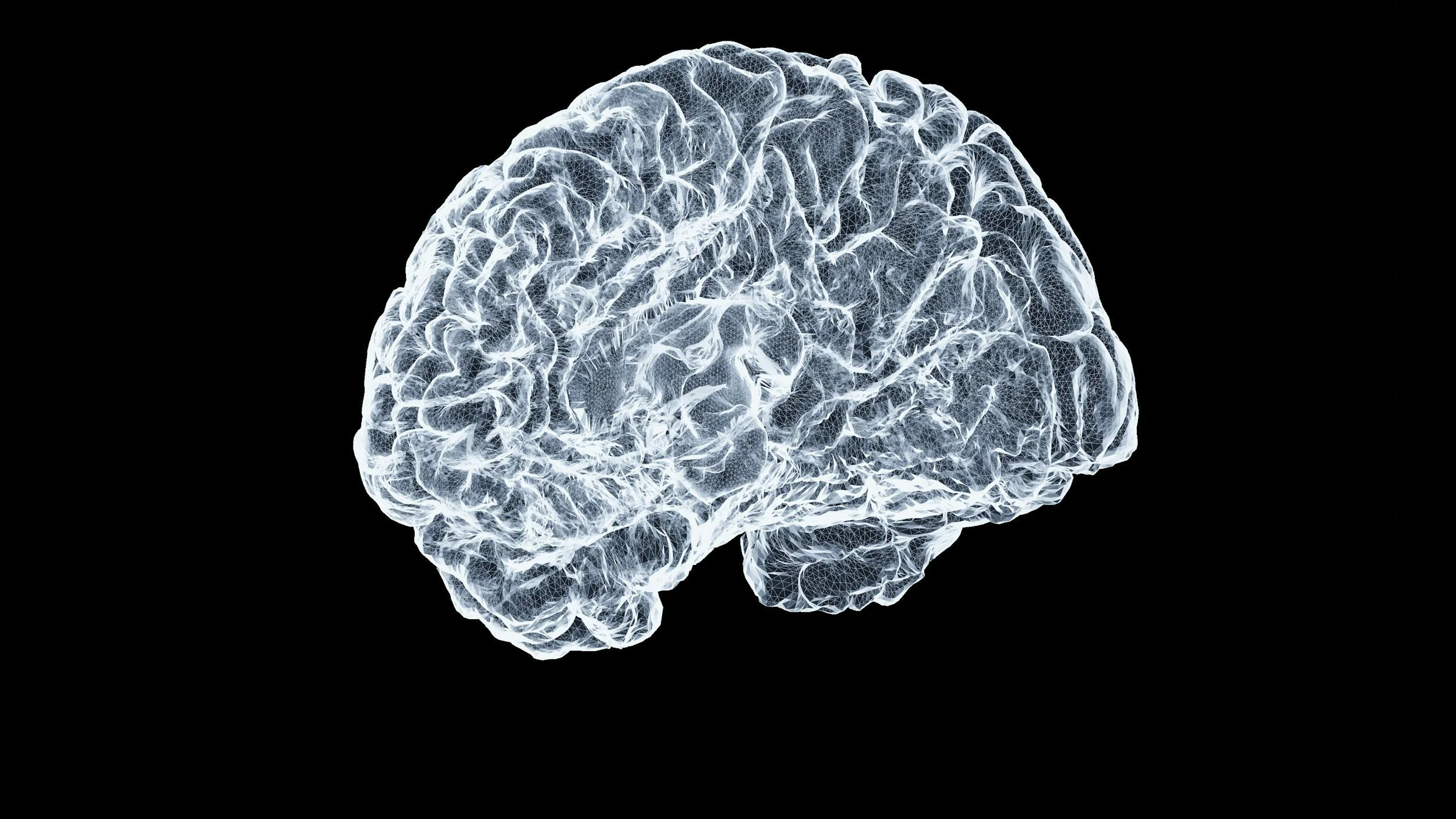
I always like to serve my words with just ‘A Pinch of Science’…
Research over the past decade has helped clarify when dementia risk begins to take shape, and it’s earlier than most people think.
Large studies, including those from the Lancet Commission on Dementia Prevention 2024 (an international group of researchers based primarily in the UK), suggest that at least 5 key risk factors including blood pressure, metabolic health, physical activity, sleep, and cognitive engagement, begin significantly influencing long-term brain health during midlife.
And the shocking number of dementia cases that, according to these researchers, could be prevented?
45%!
To me, that is actually encouraging news.
The encouraging part?
Many of the strongest protective factors arewithin your influence, and they don’t require perfection, just awareness, action, and consistency.
Hormone therapy and brain health
During perimenopause and menopause, hormonal changes most certainly play a significant role. As levels shift, temporary cognitive changes are common.
Hormone Replacement Therapy (HRT) is often part of the conversation during menopause, and for some women, it can support overall wellbeing.
Some research suggests that timing matters. When started near the onset of menopause, HRT may offer certain benefits for brain and vascular health, while starting later appears less helpful.
HRT is not one-size-fits-all. The decision is personal and best made together with a knowledgeable healthcare provider, based on your individual health history and goals.
Whether or not HRT is part of your plan, the lifestyle factors mentioned in this blog form part of the foundation for long-term brain health and healthy ageing.
Make it work for you!
You don’t need to overhaul your life to support your brain.
Start with these 3 mainlifestyle upgrades:
Move your body regularly (Movement is life)
Even a daily walk supports blood flow, mood, and cognitive function.Nourish with intention (“Feed your head!”)
A MIND/Mediterranean Diet approach to eating with emphasis on leafy greens, berries, healthy fats, and legumes. Research supports this style of eating for long-term brain health.Protect your sleep (Sleep is non-negotiable)
Sleep is when your brain restores and clears waste. Small improvements here can have a meaningful impact.
Integration moment – Bringing it all together
This doesn’t have to be complicated, and we’re not after perfection.
You’re not trying to prevent everything. You’re simply choosing to support the brain you already have.
One small, consistent shift is far more powerful than a long list of things you’ll never do.
Try choosing one and sticking with it for a week. Blueberries for breakfast? A walk after lunch? You name it. Then do it.
If this resonated, here’s your next step
If brain fog has gotten your attention, you’re not alone! It’s not too early to think about now, when your actions can really make a difference in both your today and your tomorrow.
Midlife transitions offer the unique combination of awareness, experience, and the ability to make intentional choices that truly matter.
You’re not late to the game, you’re actually right on time.
It’s “Go Time”, so be of good heart, and proceed with clarity, not fear. ❤️
A note from Nicola:
I’m delighted to share Jan’s perspective here because brain health is such an important part of the wider midlife and menopause conversation. So many women notice changes in focus, memory, energy and confidence during this season of life, and it matters that we respond with clarity rather than fear. Jan’s work offers a grounded, hopeful reminder that small, consistent habits can make a meaningful difference.

Jan Soloy is a Nurse Practitioner, Wellness Coach and brain health advocate with decades of clinical experience and advanced training through a post-graduate Fellowship in Integrative Medicine.
After experiencing a serious brain injury herself, Jan developed a deep personal understanding of what it means to rebuild, heal and move forward with hope. Her work now brings together clinical knowledge, coaching skills and lived experience to support people in protecting and strengthening their brain health through practical, science-informed lifestyle changes.
Through her Golden Clarity Protocol, Jan helps people move away from fear of decline and towards greater clarity, confidence and joy at every age.

Want to build habits to protect your brain in menopause?
You don’t need to overhaul your whole life to start feeling clearer, stronger and more in control. Sometimes, the shift begins with one small, intentional step.
The Midlife Reset Quiz helps you:
💛 Understand what’s draining your energy
💛 Get clear on what your body most needs right now
💛 Choose one realistic next step that fits your life
It takes 2 minutes and you’ll get a personalised report with your next best step.
✨ Take the Midlife Reset Quiz and reset with purpose.